
A Comprehensive Guide to the E-Way Sale and Purchase Database
In an increasingly digitized regulatory environment, accurate documentation of business transactions has become more important than ever. Among the various systems supporting this requirement, the E-Way Sale and Purchase Database plays a vital role in recording, monitoring, and validating the movement of goods along with their associated financial transactions.
This database is not just a compliance tool—it also serves as a valuable resource for operational efficiency, financial accuracy, and strategic decision-making. This article provides a detailed overview of the E-Way sale and purchase database, its structure, benefits, challenges, and best practices for effective management.
Understanding the Concept of an E-Way Sale and Purchase Database
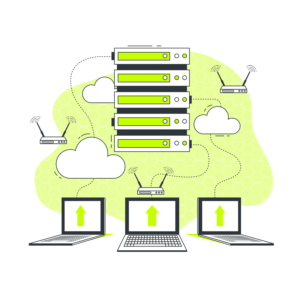
An E-Way Sale and Purchase Database is a centralized digital record that captures details of goods sold and purchased when those goods are transported from one location to another. It links transactional data with logistics information, creating a clear trail of both financial and physical movement.
The database typically includes information such as invoice details, buyer and seller data, product descriptions, quantities, taxable values, and transportation references. By consolidating this data, the system ensures consistency between sales records, purchase records, and goods movement documentation.
Why the E-Way Sale and Purchase Database Is Important
Strengthening Regulatory Compliance
One of the primary purposes of maintaining this database is to comply with applicable tax and transport regulations. Authorities often require businesses to produce accurate documentation that justifies the movement of goods and the taxes applied to those transactions. A well-maintained database allows businesses to meet these requirements efficiently and confidently.
Enhancing Transparency in Transactions
Transparency is essential for building trust with regulators, partners, and internal stakeholders. A structured sale and purchase database provides a clear and verifiable record of transactions, reducing ambiguity and improving accountability.
Minimizing Financial and Legal Risks
Incomplete or inaccurate records can lead to penalties, disputes, or delayed assessments. By maintaining a reliable database, businesses reduce the risk of non-compliance, financial misstatements, and operational disruptions.
Core Elements of the E-Way Sale and Purchase Database
Sales Data Records
Sales data captures details related to the outward supply of goods. This includes invoice numbers, dates, customer details, product descriptions, quantities, taxable values, and total amounts. These records form the foundation for revenue recognition and output tax calculation.
Purchase Data Records
Purchase records document inward supplies, including supplier information, purchase invoice references, product details, and cost values. These entries are essential for expense tracking, inventory valuation, and input tax reconciliation.
Goods Movement Information
This component links financial transactions to the actual movement of goods. It typically includes dispatch and delivery locations, transport mode, document references, and validity periods. This information helps establish a physical trail that supports the authenticity of the transaction.
Tax and Value Details
Tax-related fields capture applicable tax rates, taxable values, and total tax amounts. Maintaining consistency in this data is critical for accurate reporting and reconciliation across financial statements and compliance filings.
How the Database Supports Business Operations
Streamlining Record-Keeping
By centralizing sales and purchase data, businesses can eliminate fragmented record-keeping practices. A unified database reduces duplication and simplifies documentation management.
Improving Inventory Control
When sales and purchase data are linked with goods movement, businesses gain better visibility into inventory levels. This helps prevent stock shortages, overstocking, and mismatches between physical and recorded inventory.
Enabling Faster Reconciliation
Reconciliation between sales, purchases, and tax records becomes faster and more accurate when data is structured and consistently maintained. This saves time during monthly closings and annual reviews.
Supporting Financial Reporting
Accurate transactional data feeds directly into financial statements. A reliable database ensures that revenue, costs, and taxes are reported correctly, improving the quality of financial reporting.
Benefits of Maintaining an Accurate E-Way Database
Higher Data Accuracy
Digitized records reduce reliance on manual processes, lowering the likelihood of errors and omissions. This results in cleaner and more dependable data.
Time and Cost Efficiency
Automated or semi-automated data management reduces the time spent on repetitive tasks and minimizes the cost associated with correcting mistakes or handling compliance issues.
Better Decision-Making
Transaction data provides insights into sales trends, purchase patterns, and logistics efficiency. These insights help businesses make informed decisions related to pricing, sourcing, and distribution.
Improved Audit Readiness
During audits or assessments, businesses with well-organized databases can quickly retrieve and present required information. This reduces stress and ensures smoother interactions with authorities.
Common Challenges in Managing Sale and Purchase Databases
Data Mismatches
Differences between invoice details and goods movement records are among the most common issues. These mismatches can raise compliance concerns if not addressed promptly.
Manual Data Entry Errors
Manual entry of transaction details increases the risk of incorrect values, missing fields, or inconsistent formats, especially in high-volume environments.
Delayed Updates
Late entry or delayed updates can lead to inaccurate reporting and difficulties during reconciliation. Real-time or near-real-time updates are essential for accuracy.
Lack of Integration Between Systems
When sales, purchases, and logistics data are maintained in separate systems, maintaining consistency becomes challenging. This often results in duplicated effort and higher error rates.
Best Practices for Effective Database Management
Maintain Timely Data Entry
Recording transactions as they occur ensures that data remains current and reliable. Timely entry also reduces the workload during reporting periods.
Standardize Data Formats
Using consistent formats for invoices, dates, units, and values makes it easier to compare, reconcile, and analyze data across records.
Conduct Regular Reviews
Periodic reviews help identify discrepancies, missing entries, or unusual patterns. Early detection allows businesses to correct issues before they escalate.
Ensure Data Security
Sales and purchase data often contains sensitive information. Proper access controls and secure storage practices help protect data from unauthorized access or misuse.
Train Relevant Personnel
Employees involved in sales, purchases, and logistics should understand the importance of accurate data entry and documentation. Proper training improves data quality and compliance.
Role of the Database in Compliance and Reporting
The E-Way sale and purchase database serves as a bridge between operational activity and compliance reporting. By aligning financial transactions with goods movement, the database supports accurate tax calculations and reporting.
It also helps ensure consistency between internal records and submitted filings, reducing the likelihood of notices, queries, or adjustments from authorities.
Using Data for Business Insights
Beyond compliance, the data stored in the database can be analyzed to uncover valuable insights. Businesses can identify frequently traded products, seasonal demand patterns, and cost variations across suppliers or regions.
Such insights support strategic planning, budgeting, and process optimization. When used effectively, the database becomes a tool for growth rather than just a regulatory requirement.
Long-Term Value of a Well-Maintained Database
Over time, a well-maintained E-Way sale and purchase database becomes a historical record of business activity. This historical data can be used for trend analysis, forecasting, and performance evaluation.
It also supports continuity during management changes or system upgrades, ensuring that institutional knowledge is preserved and accessible.
Conclusion
The E-Way Sale and Purchase Database is a cornerstone of modern business documentation. It connects sales, purchases, and goods movement into a single, coherent system that supports compliance, transparency, and operational efficiency.
By maintaining accurate records, adopting standardized practices, and regularly reviewing data, businesses can reduce risks and unlock valuable insights. When managed effectively, this database evolves from a mandatory record-keeping tool into a strategic asset that supports long-term sustainability and growth.



